Ian Baltutis (D)
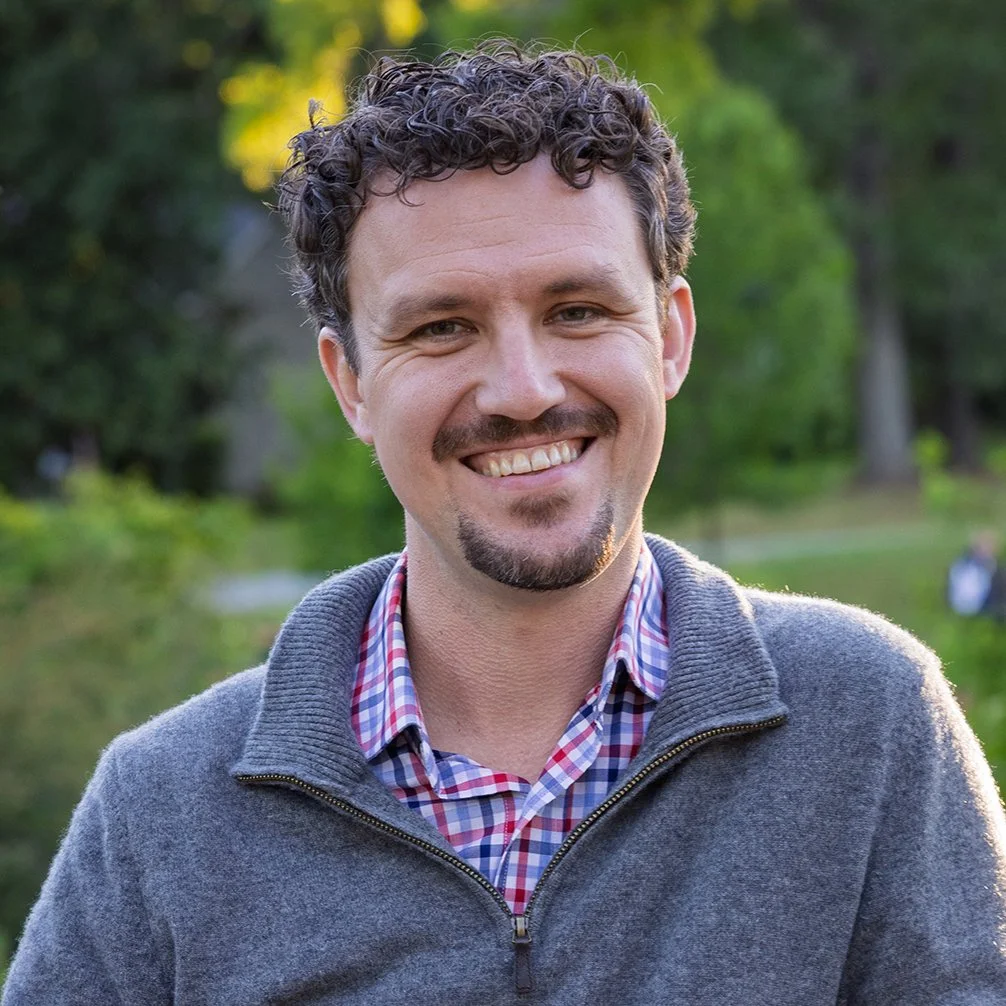
Ian Baltutis
-
Ian Baltutis has called Alamance County home for more than 20 years, since he came here as a student at Elon University.
He served three terms as Mayor of Burlington (2015–2021) and was elected to Burlington City Council in 2025. As mayor, he helped launch LINK Transit, restore the City Park Carousel, fund the Paramount Theater expansion, and secure federal support to clean up and redevelop the former Western Electric site.
Ian is a small business owner. In 2007, he founded Isolate IT, an engineering and manufacturing company. He also formerly owned Persnickety Books in downtown Burlington and co-founded the Burlington Beer Works cooperative. He is a licensed North Carolina general contractor.
Ian holds a Master of City and Regional Planning from UNC-Chapel Hill and a bachelor's degree from Elon University.
He is a certified foster parent, a board member of Preservation Alamance, an Eagle Scout, a licensed private pilot, and a 1st Lieutenant in the Civil Air Patrol.
Website: www.baltutis.us
Facebook: facebook.com/votebaltutis
Instagram: @ianbaltutis
TikTok: @ianbaltutis
Email: ian@baltutis.us
Phone: (336) 494-6767
-
I didn't plan to run for this seat. When our party's nominee withdrew this spring, I was asked to step in, and I thought long and hard before saying yes.
For six years as mayor, and now on City Council, I've watched the General Assembly take tools away from our community. Decisions that should be made here keep getting made for us in Raleigh, by people who don't have to live with the results. My experience as a mayor, planner, and small business owner can help change that.
At the end of my first term, I want Alamance County residents to be able to point to:
- More state money reaching ABSS classrooms, so less of the burden falls on local property taxpayers.
- The apartment tax loophole closed, and new tools for counties to make growth help pay for itself.
- Enforceable limits on PFAS and 1,4-dioxane in the Haw River.
- Power bill rules that stop passing every fuel cost straight to families.
- A representative who returned their calls, showed up in their towns, and kept them informed.
I've spent more than a decade delivering results here at home. I want to keep doing that work for you.
-
1. Public schools. The state is neglecting its duty to fund public schools and shifting more of the cost onto local taxpayers. Raleigh needs to pay its fair share for teachers, support staff, and school buildings, so counties aren't forced to choose between raising property taxes and shortchanging students.
2. Cost of living. Power bills, housing, child care, and health care are squeezing working families and seniors. Some state decisions have made this worse, like the 2025 energy law that shifts more of Duke Energy's fuel and construction costs onto households. I'll work to bring those costs down.
3. Tools to manage growth. Alamance County is growing fast, but state rules limit how local governments pay for schools, water, sewer, and roads. As a mayor and city planner, I've seen how often Raleigh ties local hands. I'll push to give counties and towns the tools to plan well, protect our water, and make growth help pay for itself.
I've spent two decades fixing real problems here at home. That's the experience I'll bring to the General Assembly.
-
North Carolina's constitution makes a sound basic education the state's responsibility. But the state keeps passing more of that bill to counties, and Alamance property owners feel it.
In Raleigh, I would support:
- Teacher and staff pay that reaches the national average, so we stop losing good people to other states and other careers.
- Full state funding for school nurses, counselors, bus drivers, and teacher assistants.
- More state help for counties with less local tax wealth, so a child's education isn't limited by their county's tax base.
- A statewide school construction bond, so counties don't pay for every new roof and HVAC system alone.
- Pausing the growth of private school vouchers until our public schools are fully funded.
As mayor, I balanced budgets and learned that pushing costs down the line doesn't make them go away. It just moves them onto someone else's tax bill. The state should fully fund what it is responsible for, so our county can focus on its own needs.
-
Alamance County leans on property taxes because the state gives counties few other options. Voters have turned down the local sales tax four times, and I respect that choice. The state can help in other ways:
- Close the apartment loophole. A nonprofit exemption meant for affordable housing is being used by some apartment developers who give a nonprofit only a tiny ownership share. County staff project this will cost about $650,000 this year. I'd require real nonprofit ownership and truly affordable rents to qualify, so genuine affordable housing keeps its break.
- Let growth help pay for growth. North Carolina counties generally can't charge developers impact fees for new schools. I'd give counties that option, with clear limits.
- Stop shifting state costs to counties. When the state underfunds schools, it becomes a local property tax problem.
- No new state tax breaks paid for with local revenue unless the state makes counties whole.
As mayor, I lived with these limits every budget season. Counties need fair, flexible tools that don't all land on homeowners.
-
School construction needs state money the most. Roads have a state funding system through NCDOT, and water and sewer have state grant and loan programs. School buildings are the big need that falls almost entirely on county property taxpayers. Last year, commissioners had to dip into county savings to pay for ABSS roofs, HVAC, and repairs.
Where should the money come from?
- A statewide school construction bond, approved by voters, as North Carolina did in 1996.
- A bigger share of state lottery money for school buildings, as voters were promised when the lottery began.
- Part of the state's large savings reserves for one-time building needs, instead of more tax cuts.
Water and sewer capacity matters too, especially after this year's drought. I'd keep state water infrastructure grants strong so our towns can grow without running short.
As a planner, I know growth works best when the schools and pipes come before the rooftops, not years after.
-
Clean, reliable water is the foundation for everything else. I would support:
- Enforceable limits on PFAS and 1,4-dioxane in our rivers. State regulators have studied these standards for years without adopting them. Downstream towns and Alamance families on wells deserve real protection.
- Making polluters pay. The companies that put these chemicals in our water, not ratepayers, should pay to clean them up.
- Help for well owners. Some Swepsonville families have found very high PFAS levels in their private wells. The state should cover testing, filters, and connections to safe water.
- Regional drought planning. The state should help towns connect water systems and share supply during droughts.
- Knowing before we permit. Large new water users, like data centers, should show a clear water plan before approval.
As mayor, I helped Burlington sign a 2020 agreement with the Haw River Assembly to test our wastewater for these chemicals. That work later helped the city track down pollution sources. It showed me that cities, businesses, and river advocates can solve this together when the state sets clear rules.
-
Families feel the squeeze in a few big places. Here's where the state can help:
- Power bills. I'd change how electric rates are set so Duke Energy can't pass 100% of fuel costs on to customers. That gives them a reason to use cheaper, more efficient energy, including renewables. I'd also stop charging families for power plants before they're built.
- Housing. Give towns the tools to build homes working families and seniors can afford through smart planning and faster approvals, and let cities protect renters with basic safety inspections.
- Child care. Invest state dollars so centers can pay teachers enough to stay open and families can afford care. When child care closes, parents can't work.
- Education. Fully fund public schools and Alamance Community College, including job training that leads to good local jobs.
- Health care. Protect Medicaid expansion, which covers hundreds of thousands of working North Carolinians, and help keep rural hospitals open.
I run small businesses. I know what it means to watch every dollar. Families deserve a state government that does the same.
-
Most of our problems aren't partisan. Potholes, water lines, and school roofs don't belong to either party. As mayor, I served on a nonpartisan council and worked every day with people who voted differently than I do. Together we launched LINK Transit, upgraded our parks, and brought new life to downtown.
In Raleigh, I'll start with the legislators who represent Alamance and neighboring counties, whatever their party, and look for shared local goals. I'll listen first, bring the facts, and share credit freely.
I'll break with my caucus when a bill hurts Alamance County or takes decisions away from local communities. My test is simple: Is it good for the people I represent, and is this the right level of government to decide it?
For example, some members of my own party support letting the state override local zoning to speed up housing. I want more housing too, but decisions about our neighborhoods belong with local leaders and the people who live there. I would vote against state takeovers of local zoning, no matter which party proposes them.
-
Local leaders and residents should never be surprised by a bill that affects them. As mayor, I saw too many bills about Burlington written without a single call to our city. I'll do it differently:
-Meet regularly with mayors, county commissioners, and school board members across District 63, before and during each session.
-Share any local bill with the affected town or county before I file it, and ask for their input.
-Hold town halls in Burlington, Elon, Gibsonville, and our rural communities, both in person and online.
-Send a regular newsletter explaining what's happening in Raleigh and how to weigh in, like the city newsletter I expanded to every Burlington household through water bills.
-Keep an open-door office and answer every call and email.
-Share information in Spanish and other languages our neighbors speak.
Good laws start with listening. I've done that at City Hall for years, and I'll bring the same habits to the General Assembly.