Shannon Long (UNA)
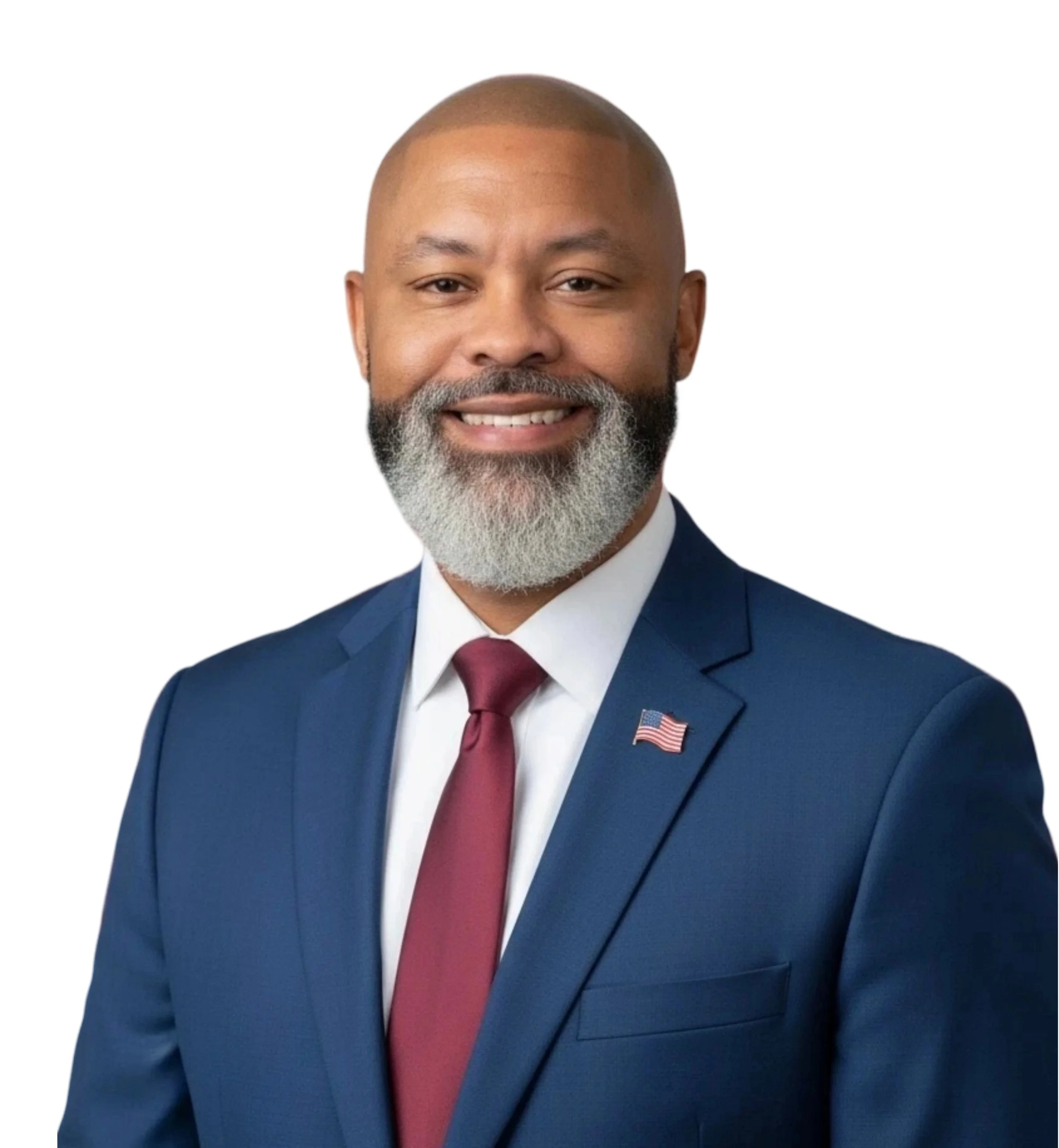
Shannon Long
-
-
- I believe it’s time for a new standard of leadership in the Alamance County Sheriff’s Office.
- I believe public safety and community trust must work together. We can enforce the law while treating everyone with dignity, fairness, and respect.
- I believe in equal accountability. No one should receive special treatment because of their badge, title, position, income, neighborhood, ethnicity, economic status, or connections.
- I want greater transparency so our community understands how decisions are made and how taxpayer dollars are being used.
- I believe in professional law enforcement that protects constitutional rights while holding people accountable for criminal behavior. ACCREDITATION
- I believe in rehabilitation over recidivism by supporting approaches that reduce repeat offenses and help create safer communities.
Points to hit:
- I want a Sheriff’s Office that is present in every community. Not just when something goes wrong, but consistently building relationships.
Leadership must continue to evolve as our county grows and changes.
-
1. Reduce violent and firearm-related crime.
2. Strengthen behavioral-health and substance-use response.
3. Improve capacity, visibility, and prevention.
1. Reduce violent and firearm-related crime. Alamance County recorded a violent-crime rate of approximately 486 per 100,000 residents in 2024, while the county’s violence profile reported a recent increase in violent crime. The Sheriff’s Office should prioritize targeted patrols, gun-crime investigations, gang intelligence, and intervention with repeat violent offenders.
2. Strengthen behavioral-health and substance-use response. Deputies regularly encounter overdoses, addiction, mental-health crises, and repeat calls involving the same individuals. Expanding co-response teams, diversion programs, naloxone access, and partnerships with treatment providers would improve safety while reducing repeat arrests and emergency calls.
3. Improve capacity, visibility, and prevention. Adequate staffing, rapid response in rural areas, school-safety coordination, and community-based policing are essential. The Sheriff’s Office should assess vacancies and response times, strengthen school resource coverage, and build partnerships with municipalities, churches, schools, and neighborhood leaders to identify problems before they become emergencies.
Sources: North Carolina SBI 2024 crime summary; North Carolina Office of Violence Prevention Alamance County profile.
-
I would address jail capacity with a balanced strategy that protects public safety, respects taxpayers, and reduces unnecessary detention.
First, I would require accurate, public data on who is in the jail, why they are being held, how long they stay, and which cases create repeat bookings. I would expand pretrial supervision, court reminders, mental-health and substance-abuse treatment, and diversion programs for people who do not pose a serious safety threat. Faster case processing and stronger reentry programs can also reduce avoidable jail days and repeat offenses.
At the same time, violent offenders and people who threaten victims or the community must remain securely detained. Any facility expansion should be based on a professional population forecast—not temporary increases or revenue assumptions from outside detention contracts.
I would ask commissioners to fund three priorities: qualified correctional staff and competitive salaries; behavioral-health, substance-abuse, and reentry services; and an independent jail-capacity and facility assessment. If that assessment demonstrates a long-term need, I would support funding a properly sized, secure expansion with transparent construction and operating costs.
I would not ask taxpayers to build excess capacity. The end of federal detainee housing gives Alamance County an opportunity to develop a sustainable jail plan focused first on local public safety and responsible stewardship.
-
The Alamance County Sheriff’s Office should enforce state law, protect every resident, honor lawful federal requests, and refuse to replace local policing with a broad immigration-enforcement agenda.
Make public safety the standard—not politics
The practical question should be:
Does this action make Alamance County safer, lawful, and more trusted?
Immigrant victims and witnesses must feel safe reporting domestic violence, sexual assault, trafficking, robbery, and other crimes. If people believe contacting the Sheriff’s Office will automatically expose them—or their family members—to immigration consequences, serious crimes may go unreported and investigations may suffer.
I would make clear that victims and witnesses can seek help from the Sheriff’s Office regardless of immigration status. That is not a promise to ignore the law; it is sound public-safety policy.
-
I would build trust through visibility, consistency, and accountability.
First, I would establish regular listening sessions in every community—including rural areas, neighborhoods of color, faith communities, schools, and immigrant communities—and publish what residents identify as concerns and how the sheriff’s office responds. Deputies should be visible not only during emergencies, but also at community events, neighborhood meetings, and service projects.
Second, I would strengthen confidential and anonymous reporting options, explain clearly how information is protected, and create a witness-support process so residents understand what to expect before, during, and after an investigation or court case. No one should fear retaliation or feel ignored after making a report.
Third, I would require consistent, professional treatment for every person who contacts the office. That means communication training, language access, trauma-informed practices, and clear standards for respectful conduct. I would also expand partnerships with victim advocates, pastors, nonprofits, and community leaders who already have residents’ trust.
Finally, I would make accountability measurable: publish response times, complaint outcomes, community-engagement activity, and demographic data while protecting privacy; invite independent review; and report progress publicly. Trust is not earned by slogans—it is earned when the sheriff’s office keeps its promises, tells the truth, protects people impartially, and accepts responsibility when it falls short.
-
Recruitment, Retention, and Training Priorities
I would build a professional, service-centered agency that attracts people who want to protect the community and grow in their careers.
Recruitment: Expand outreach to local schools, veterans, colleges, churches, and community organizations. Create internships, cadet programs, referral incentives, and a transparent hiring process. Recruit for integrity, emotional maturity, communication skills, and sound judgment—not simply physical ability.
Retention: Prioritize competitive salaries, predictable scheduling, improved equipment, mental-health resources, wellness programs, childcare partnerships, and clear promotion pathways. Deputies and detention officers should receive recognition for strong performance and opportunities for specialized assignments and continuing education.
Training: Establish comprehensive academy and ongoing in-service training in de-escalation, crisis intervention, defensive tactics, constitutional policing, report writing, cultural awareness, first aid, suicide prevention, and correctional leadership. Training should include realistic scenarios, ethical decision-making, and regular performance evaluations—not merely classroom instruction.
Hiring standards: Maintain rigorous background investigations, psychological screening, fitness requirements, and drug testing while removing unnecessary barriers that exclude qualified applicants. Candidates should demonstrate honesty, professionalism, and accountability.
Pay and benefits: Conduct a regional compensation study and raise wages to remain competitive, especially for detention officers. Fair pay, overtime controls, and dependable benefits are essential to reducing turnover.
My priority would be a culture where excellence, accountability, and service are rewarded—and where every employee has the tools and support to succeed.
-
The Sheriff’s office should maintain an accessible, regularly updated public-information portal containing:
- Public-safety data: calls for service, response times, crime reports, arrests, citations, warrants, jail bookings, and outcomes—disaggregated by date, location, race, ethnicity, age, gender, and other relevant factors, while protecting privacy.
- Police encounters: traffic and pedestrian stops, searches, consent searches, searches yielding contraband, and outcomes.
- Use of force: incidents by type, circumstances, injuries, demographic information, involved personnel, investigations, and discipline.
- Body-worn cameras: policy, activation requirements, exceptions, retention schedules, public-release procedures, and audit or compliance results.
- Complaints and accountability: how to file complaints, anonymous reporting options, timelines, investigative procedures, findings, appeals, and disciplinary outcomes—along with protections against retaliation.
- Critical incidents: timely releases concerning shootings, deaths, serious injuries, pursuits, and officer-involved incidents, including investigative status.
- Policies and oversight: current policies, training requirements, accreditation status, budgets, contracts, staffing, salaries, overtime, promotions, and sustained misconduct findings.
- Jail operations: deaths, assaults, uses of force, grievances, medical-care standards, population, releases, and inspection results.
Data should be published in searchable, downloadable formats with clear definitions, independent audits, and meaningful updates...not merely posted after controversy.
-
The sheriff’s office should respond to mental-health and substance-use calls with safety, compassion, and the goal of connecting people to care—not simply making arrests. Deputies should receive ongoing training in crisis intervention, de-escalation, trauma-informed communication, suicide prevention, and recognizing behavioral-health and substance-use disorders. When there is no immediate threat, deputies should slow the encounter, reduce confrontation, involve family or trusted supports when appropriate, and use diversion, transport, or referral to treatment whenever legally and safely possible.
I would strengthen partnerships with health-care providers through mobile crisis teams, co-response programs, 24-hour crisis centers, detox and treatment referrals, and clear procedures for information-sharing consistent with privacy laws. With the courts, I would support pretrial and post-booking diversion, mental-health dockets, drug courts, and treatment-focused alternatives for eligible individuals, while maintaining accountability and protecting victims.
Schools should have direct access to trained school-resource personnel, counselors, prevention programs, and rapid referral pathways—without criminalizing normal adolescent behavior. Finally, I would bring together families, faith leaders, recovery organizations, behavioral-health professionals, veterans’ services, and community advocates to review trends, identify gaps, and build prevention programs. Success should be measured by safety, reduced repeat calls, treatment engagement, and dignity, not arrest numbers alone.
-
I would coordinate with Burlington, Graham, Mebane, Elon, and the county’s other municipal police departments through strong communication, mutual trust, and clearly defined responsibilities. I would support regular chiefs’ meetings, shared intelligence briefings, joint training, and coordinated planning for major events, emergencies, and regional crime trends.
I would also strengthen partnerships through interoperable communications, compatible policies, and formal mutual-aid agreements so agencies can respond quickly when additional personnel, equipment, or specialized resources are needed. Where appropriate, departments should conduct joint operations focused on issues that cross jurisdictional boundaries, such as violent crime, drugs, human trafficking, and organized theft.
Coordination must also include prosecutors, emergency management, schools, mental-health providers, and community organizations. Information sharing should be timely, lawful, and respectful of privacy and civil rights.
Most importantly, I would promote a regional mindset: our jurisdictions may differ, but the people we serve move throughout the county every day. By working as partners rather than separate entities, we can avoid duplication, use resources more effectively, improve officer and public safety, and provide a consistent, professional response across the entire community.
-
The Sheriff’s Office plays a vital role in school safety by providing trained school resource officers, responding to emergencies, preventing violence, and building positive relationships with students, staff, and families. However, school safety is a shared responsibility—not something law enforcement can accomplish alone. SROs should be visible, approachable, and focused on prevention, while allowing educators to manage routine student discipline.
I would work with Alamance-Burlington Schools through a clear memorandum of understanding that defines the SROs’ responsibilities, communication procedures, training expectations, and accountability standards. We would regularly review safety assessments, emergency plans, threat-reporting procedures, and response protocols with principals, counselors, parents, and community partners.
SROs would receive ongoing training in de-escalation, adolescent development, mental-health awareness, trauma-informed practices, cultural competency, and working with students with disabilities. I would also support prevention programs that encourage students to report concerns safely and ensure every report is taken seriously.
Our goal would be secure schools where students can learn, teachers can teach, and families have confidence that safety efforts are professional, fair, transparent, and centered on protecting children.