Scott Wells Drorbaugh (D)
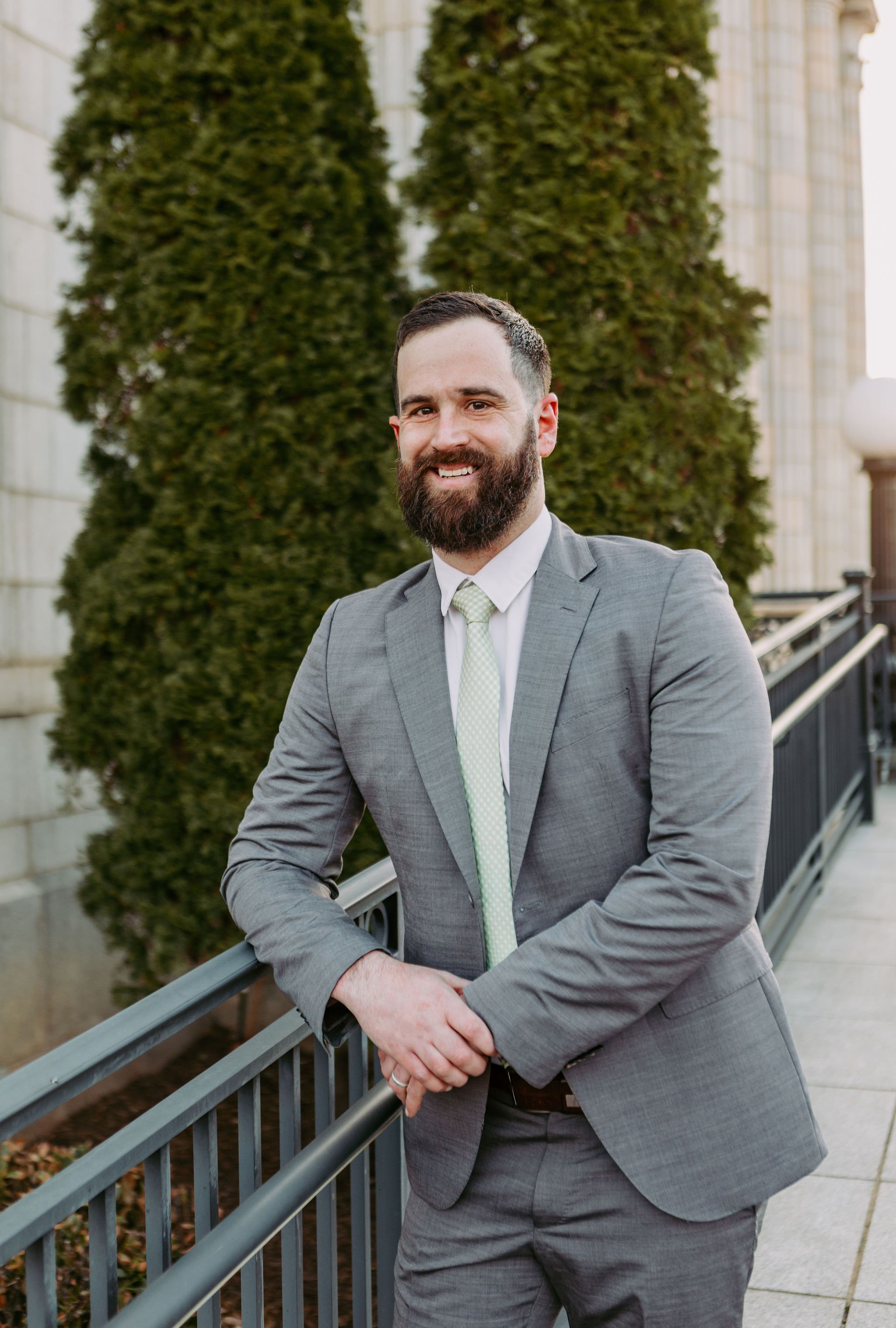
Scott Wells Drorbaugh
-
I'm running for District Attorney because I believe Alamance County deserves a prosecutor's office that is tough on violent and repeat offenders while treating victims, defendants, and the community with fairness and respect.
I spent nearly eight years as a felony prosecutor, handling cases ranging from homicide and trafficking (drug and human) to domestic violence, elder abuse, shootings, and property offenses. I saw firsthand the devastating impact crime can have on victims and families, and I also learned that effective prosecution requires more than simply seeking the harshest possible punishment.
As District Attorney, I will prioritize public safety, meaningful support for victims, accountability for offenders, and proportional justice. I believe we can aggressively prosecute those who pose a genuine threat to our community while expanding appropriate diversion, recovery courts, and other interventions for people who can safely be held accountable without unnecessary incarceration.
Most importantly, I want an office that is transparent, professional, and independent - one where decisions are based on the facts and the law rather than politics or the status of the people involved.
I believe Alamance County should have a District Attorney's Office that protects the community, stands with victims, and delivers justice fairly for everyone.
-
1. Protect Public Safety & Hold Violent Offenders Accountable. Prioritize serious violent crime, repeat offenders, domestic violence, and crimes that pose the greatest threat to the community. Use prosecutorial resources where they will have the greatest public-safety impact.
2. Put Victims at the Center of the Justice System. Ensure victims are treated with dignity, educated on the criminal justice system, heard throughout the process, and provided meaningful support. My experience prosecuting high-level domestic violence and other crimes against vulnerable victims (elderly and/or disabled folks) makes this particularly important to me.
3. Deliver Fair, Proportional & Accountable Justice. Move away from a one-size-fits-all approach. Pursue appropriate diversion, recovery courts, and other alternatives for non-violent offenders who are dealing with substance abuse, mental health issues, or simply being young, while maintaining accountability. At the same time, make the DA's Office more transparent and ensure decisions are based on facts, law, and consistent standards - not politics or the "good ole boy" network.
-
I would establish clear office-wide policies with the goal of moving cases efficiently while ensuring efficiency never comes at the expense of a fair and thorough prosecution.
- Violent and repeat offenders with dangerous criminal records, cases involving vulnerable victims, and cases where victims or defendants are awaiting trial would receive the utmost attention.
- Prosecutors should understand the strengths and weaknesses of their cases as early as possible, communicate with defense counsel, and make reasonable offers when appropriate. An offer to “plead to everything” is not a meaningful plea offer and can cause cases to languish until the eve of trial.
- I would bring back the position of “jail prosecutor.” Under former DA Nadolski, we utilized a jail prosecutor who reviewed inmate intake daily, dismissing minor nonviolent misdemeanor charges or offering time-served pleas when appropriate. This allowed non-repeat, nonviolent offenders to leave jail within 24–48 hours, saving taxpayer money.
Finally, there is no single appropriate timeline for every felony. A straightforward felony with complete discovery should generally resolve within 6–9 months, while complex cases such as homicide or sexual assault may reasonably take longer. No case will sit simply because my office failed to move it forward.
-
My office would exercise charging and plea discretion based on the seriousness of the crime, the defendant's previous convictions, the harm to the victim, the strength of the evidence, and the likelihood that a particular resolution will protect the community and further justice.
I would prioritize trials for violent and repeat offenders, including homicide, serious assaults, armed robbery, sexual offenses, human/drug trafficking, and aggravated domestic violence cases. Cases involving vulnerable victims and offenses demonstrating a continuing threat to public safety would also receive priority. When the evidence supports the charge, I would not offer artificially lenient resolutions simply to clear the docket.
I would consider dismissal when the evidence is insufficient to prove the charge beyond a reasonable doubt, when a critical witness refuses to testify or an evidence problem makes prosecution unjustifiable. A dismissal should never be used merely to improve statistics.
Diversion or deferred prosecution would be appropriate for defendants who present a lower public-safety risk, particularly first-time or low-level offenders, when the offense is nonviolent and the defendant is willing to accept meaningful accountability. Depending on the case, that could include restitution, treatment, community service, drug or mental-health programming, or other conditions tailored to the underlying conduct.
The goal is not to maximize convictions or dismissals. The goal is to pursue the right outcome in each case while reserving the greatest prosecutorial resources for the cases that most affect public safety and victims.
-
Victims should never feel like an afterthought in the criminal justice system. My office would prioritize consistent, respectful communication from the beginning of a case through its resolution.
Prosecutors and victim advocates should keep victims informed about major developments, court dates, plea negotiations, and changes in case status. Victims should have a reliable point of contact who can answer questions, explain the process in plain language, and return calls promptly. For serious and violent offenses, I would expect more proactive communication so victims and their families are not left to seek information on their own.
I would also strengthen coordination with victim-service organizations, law enforcement, and community partners to connect victims with counseling, safety planning, restitution assistance, and other resources.
Most importantly, my office would listen to victims. Their wishes, concerns, and the impact of the crime should be meaningfully considered, while recognizing that the District Attorney has an independent duty to make charging and disposition decisions based on the law and the interests of justice.
Every victim should know what is happening, what to expect next, and who they can call when they have questions.
-
I support specialty courts including substance abuse, mental health and veterans, when they are properly structured, adequately resourced, and reserved for defendants who are appropriate candidates. I do not support DWI recovery courts as those defendants are repeat DWI offenders.
Specialty courts can provide accountability while addressing the underlying issues that contribute to criminal behavior. For individuals struggling with substance-use disorders, recovery court can provide treatment, supervision, and meaningful consequences for noncompliance while reducing the likelihood of future offenses. Veterans Court can recognize the unique challenges faced by veterans and connect eligible participants with treatment and services tailored to their needs.
However, specialty courts should not become a revolving door or substitute for appropriate consequences. Dangerous offenders, such a repeat DWI offenders, who present a significant ongoing threat to public safety should not be diverted simply because they qualify for a program.
As District Attorney, I would work with judges, defense counsel, treatment providers, law enforcement, and community partners to ensure these programs are used effectively. The goal is not simply to avoid incarceration—it is to reduce recidivism, protect the community, and hold appropriate defendants accountable while giving them a meaningful opportunity to change.
-
The DA's Office should have a strong, professional relationship with law enforcement, but that relationship must never compromise the office’s independence or ethical obligations.
I would maintain regular communication with agency leadership and officers to ensure law enforcement understands what prosecutors need to build strong cases. At the same time, I would make clear that the DA’s Office is an independent constitutional office responsible for evaluating the evidence objectively—including the conduct and credibility of law enforcement officers.
When allegations of misconduct arise, they would be evaluated fairly and consistently, regardless of the officer or agency involved. If information is material to an officer’s credibility or must be disclosed under the law, my office would fulfill its disclosure obligations. Those decisions should be based on established legal and ethical standards, not personal relationships.
I want law enforcement to know that my office will support good police work, hold officers accountable when necessary, and always put the integrity of the justice system above any individual relationship.
-
Recruiting and retaining talented prosecutors, investigators, and support staff requires making the Alamance County DA’s Office a place where people want to build a career, even when many resources and compensation decisions are controlled at the state level.
I would focus on creating a professional, supportive workplace with strong training, meaningful mentorship, reasonable workloads, and clear expectations. Employees should know that their work matters and that their contributions are recognized. I would also prioritize opportunities for professional development, specialized training, and advancement within the office.
Recruitment would focus on identifying candidates who are committed to public service and the Alamance County community, including experienced attorneys and investigators as well as strong local candidates entering the profession. I would build relationships with law schools, local colleges, and professional organizations to develop a pipeline of future employees.
Where state resources limit our ability to compete on salary, culture, leadership, training, and professional development become even more important retention tools. I would also advocate with legislators and state leadership for adequate staffing and compensation when resources are insufficient to meet the needs of our growing community.
Ultimately, people stay where they are respected, supported, challenged, and given the opportunity to make a difference.
-
Transparency should be a core objective of the District Attorney’s Office. Residents should be able to understand not only how many cases the office handles, but how and why those cases are resolved.
I would publish on the DA's social media page easy-to-understand reports showing case volumes, types of offenses, average disposition times, trial and plea outcomes, dismissals, deferred prosecutions, diversion participation and completion, and other relevant case outcomes. Data should be presented in a way that protects victims, witnesses, defendants, and confidential information.
As part of my commitment to transparency, I would seek to establish a Citizens Advisory Board made up of community members representing different areas and perspectives within Alamance County. The Board would provide a regular avenue for residents to ask questions, offer feedback, and identify areas where the office could improve.
The goal is an office that is transparent so the public can understand its work and accountable as to listen when the community has concerns.